Two Mortgage Rules Just Changed. Here’s What Both Mean for You
If you’ve bought or refinanced a home in the last twenty years, your mortgage approval almost certainly ran through FICO. That just changed, and the change is bigger than the headlines made it sound. At the same time, a separate rule change is reshaping how condos get financed, and it’s arguably the bigger deal of the two if you’re buying, selling, or sitting on an HOA board.
Here’s the plain-English version of both, and what they might mean the next time you or someone you know applies for a mortgage.
What Actually Happened With VantageScore
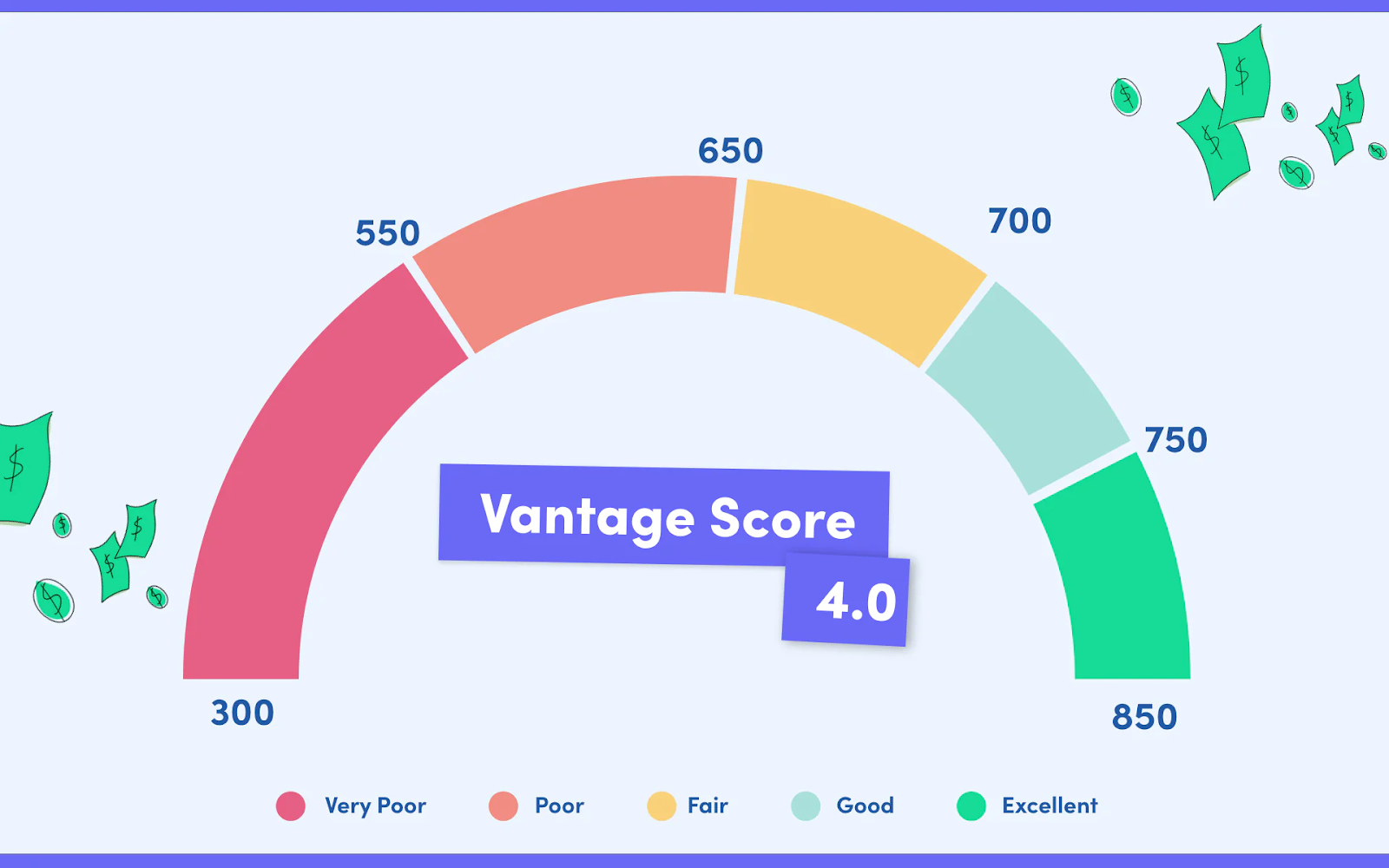
On September 3, 2026, FHFA Director Bill Pulte instructed Fannie Mae and Freddie Mac to immediately approve all mortgage lenders to use VantageScore 4.0, ending a limited pilot that had capped access to just 50 lenders since May 1. During that limited rollout, VantageScore 4.0 already became the sole score used on more than 9 percent of all Fannie Mae and Freddie Mac securitized mortgages, a strong enough showing that regulators opened it up to everyone.
VantageScore isn’t new. It’s a tri-merge credit model, meaning it pulls from Equifax, Experian, and TransUnion just like FICO does, but it was built specifically to score people that traditional models often can’t, thin credit files, newer borrowers, people who pay cash for a lot of things. VantageScore says its model can generate a usable score for roughly 33 million more people than legacy scoring methods.
What VantageScore Means for You
- If you have a thin credit file, this is genuinely good news. Newer borrowers, people who’ve paid cash for most major purchases, or anyone with a shorter credit history may now qualify with a lender using VantageScore where FICO alone would have said no.
- If you already have a strong, established FICO score, this doesn’t change your own approval odds much. What it does change is your competition. A wider pool of qualified buyers means more offers on the homes you’re competing for.
- This is a rollout, not a light switch. Lenders still need to build VantageScore into their underwriting systems, and adoption will vary by lender for a while. Ask your loan officer directly whether they’ve adopted it yet if this matters to your situation.
- An independent study projected the wider rollout could save the mortgage market more than $930 million in its first year through increased pricing competition, savings that should eventually filter down to borrowers in the form of better rates and lower fees, though that takes time to show up.
The Other Lending Shift: New Reserve Rules for Condos
While VantageScore has been grabbing headlines, a second, quieter change is reshaping condo financing.
On March 18, 2026, Fannie Mae and Freddie Mac issued coordinated policy updates that eliminate the shortcut lenders have relied on for years. Fannie Mae’s “Limited Review” and Freddie Mac’s matching “Streamlined Review” let strong buyers in established condo buildings skip a deep dive into the HOA’s finances, its reserve fund, insurance coverage, delinquency rates, and any pending litigation. Starting August 3, 2026, that shortcut disappears for any condo project with more than 10 units. Every loan now goes through a Full Review, no matter how much the buyer is putting down.
What Full Review actually checks:
- A complete condo questionnaire from the HOA
- Master insurance documentation
- The association’s budget and reserve funding
- Delinquency rates among owners
- Any pending or threatened litigation
On top of that, the minimum reserve funding requirement is rising from 10% to 15% of the association’s total annual budgeted assessment income, effective for budgets dated on or after January 4, 2027. If an HOA wants to rely on a professional reserve study instead of hitting that 15% number directly, the study now has to be less than three years old and use the highest recommended funding level, not the lower “baseline” option many associations have leaned on.
Why it exists: this is a direct response to years of concern over underfunded HOA reserves, concern that intensified across the industry after the 2021 Surfside condo collapse in Florida. Regulators want proof that a building can actually pay for a major repair before backing a mortgage on a unit inside it.
What the Condo Changes Mean Depending on Where You Sit
- If you’re buying a condo: budget extra time. Full Review requires more paperwork from the HOA, and if the association is slow to respond, which many are, expect your closing timeline to stretch by a few extra weeks.
- If you’re selling a condo: get ahead of it. Have your HOA’s disclosure package ready before you list, meeting minutes, current budget, insurance declarations, and a recent reserve study if you have one. A building that fails this review becomes non-warrantable for every unit owner, not just yours, which can freeze sales across the entire complex.
- If you’re on an HOA board: check your reserve funding percentage now, not next winter. If your association is currently funding at the old 10% baseline, you have until January 2027 to close that gap or risk your building losing its eligibility for conventional financing altogether.
There is a small silver lining for smaller buildings: the waiver for streamlined review has actually expanded to cover associations with up to 10 units, so if you’re in a smaller condo community, this round of changes may affect you less than the headlines suggest.
The Bigger Picture
Two different regulators made two different moves this year, but they’re pulling in the same direction: more scrutiny, more competition, and less room for lenders to take shortcuts. VantageScore breaks FICO’s twenty-year hold on who gets approved. The new condo review rules break the shortcut that let buildings with shaky reserves slide through financing unnoticed. Neither change flips overnight, and both come with a “check with your lender” asterisk attached. But if you’re buying, selling, or holding a mortgage on anything in North Dallas this year, it’s worth knowing both are in motion at the same time.